Scotty 3D
A 3D graphics engine implemented modeling, animation, and rendering
Scotty3D is a full-featured educational graphics pipeline project from CMU. It includes an interactive modeling interface, skeletal animation, and a physically-based offline renderer. I worked through it in four key phases:
Phase 1: Rasterizer — Implementing a Software Rendering Pipeline
In this phase, I developed a simplified rasterization pipeline from scratch to convert 3D triangles into 2D pixel images, all without using the GPU. This software renderer serves as the backbone of the preview window in Scotty3D and taught me the fundamentals of the graphics pipeline.
Key Components Implemented:
-
Vertex Shading
Transformed vertices from model space to screen space and passed interpolated attributes like color, normals, and UVs to the rasterizer. -
Triangle Assembly and Clipping
Assembled primitives from vertices and clipped triangles against the screen bounds to avoid out-of-frame artifacts. -
Rasterization
Used edge equations to determine which pixels fall inside a triangle, then computed barycentric coordinates to interpolate fragment attributes. -
Fragment Shading
Interpolated vertex attributes across the surface of each triangle and shaded each pixel using a programmable shading model. -
Depth Testing and Blending
Compared fragment depths using a z-buffer to handle occlusion, and implemented alpha blending to properly render transparency. -
Texture Sampling & Mipmapping
Built and sampled from mipmap chains to reduce aliasing and improve texture clarity at different distances and scales.
Visual Results:
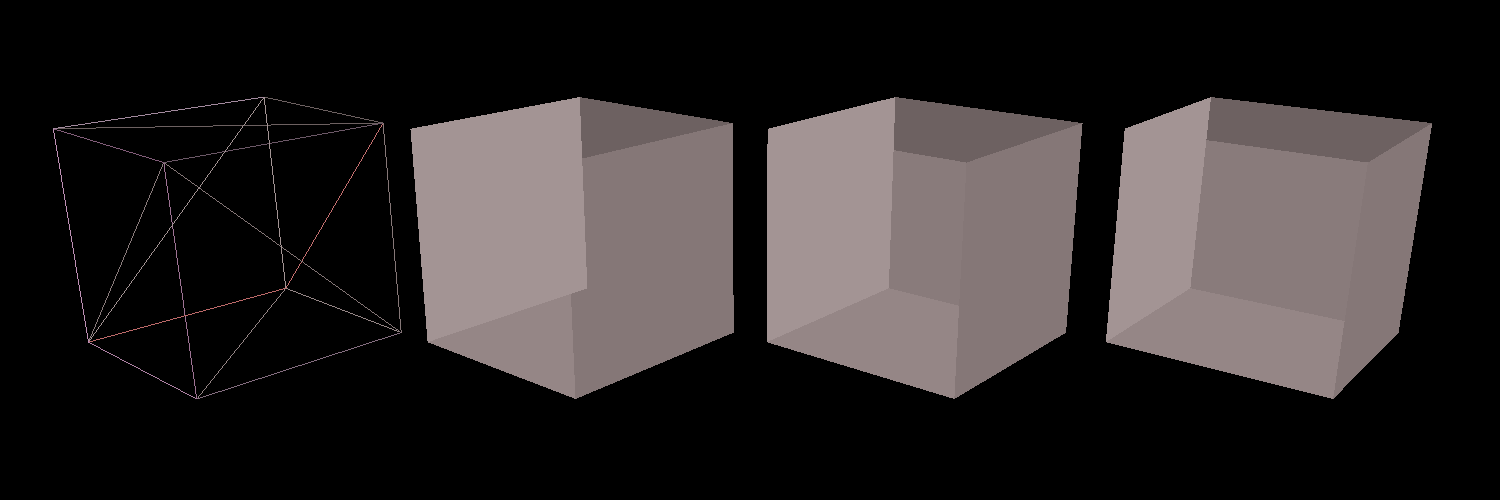
This phase gave me a strong foundation in how modern graphics pipelines are structured — from triangle setup to pixel output — and laid the groundwork for more advanced features like ray tracing and global illumination.
Phase 2: MeshEdit — Building the Half-Edge Mesh System
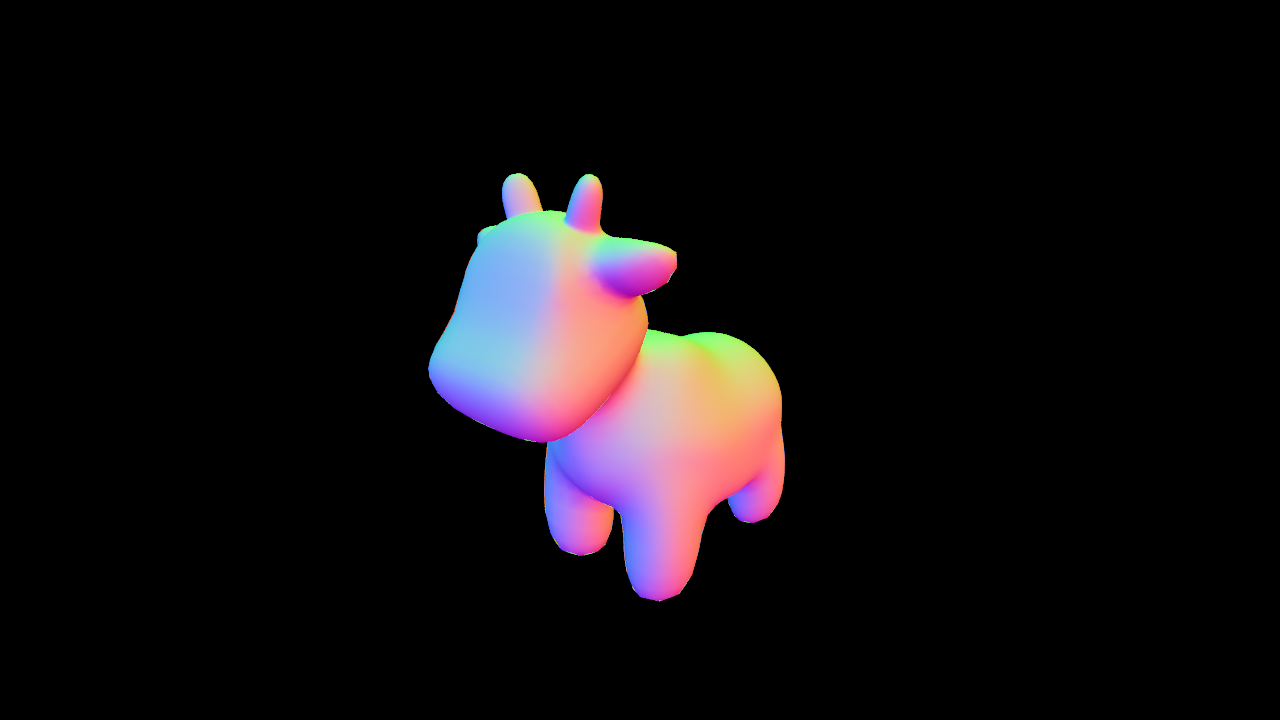
In this phase, I implemented an interactive mesh editor with support for:
- Face splitting
- Edge flipping
- Edge collapsing
- Loop subdivision and simplification
This involved building the half-edge data structure, and writing code that correctly updates mesh topology during edits. The tricky part was maintaining consistency after each operation.
Phase 3: Path Tracer — Physically-Based Offline Rendering
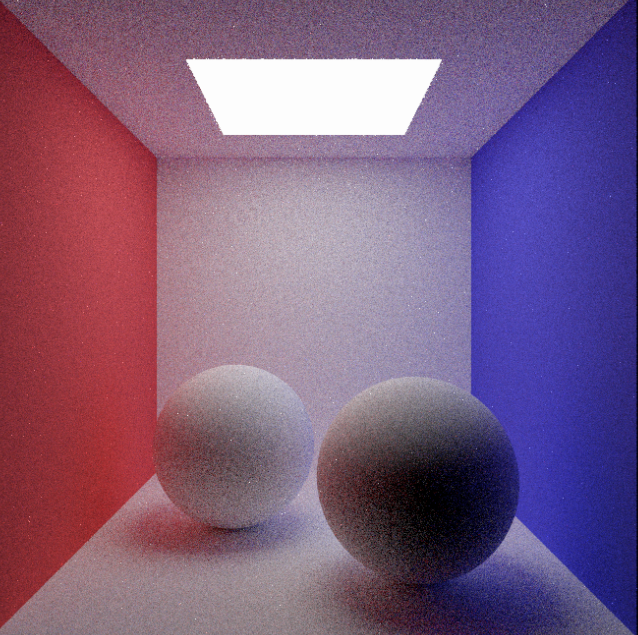
I implemented a Monte Carlo path tracer with:
- BSDF sampling
- Russian roulette termination
- Importance sampling (lights & hemispheres)
- Acceleration structures (BVH)
This was one of the most challenging yet rewarding parts. It taught me how light transport actually works and gave me respect for ray tracing performance.
Phase 4: Animation — TBA
You can find the full code and writeup here:
👉 Scotty3D on GitHub